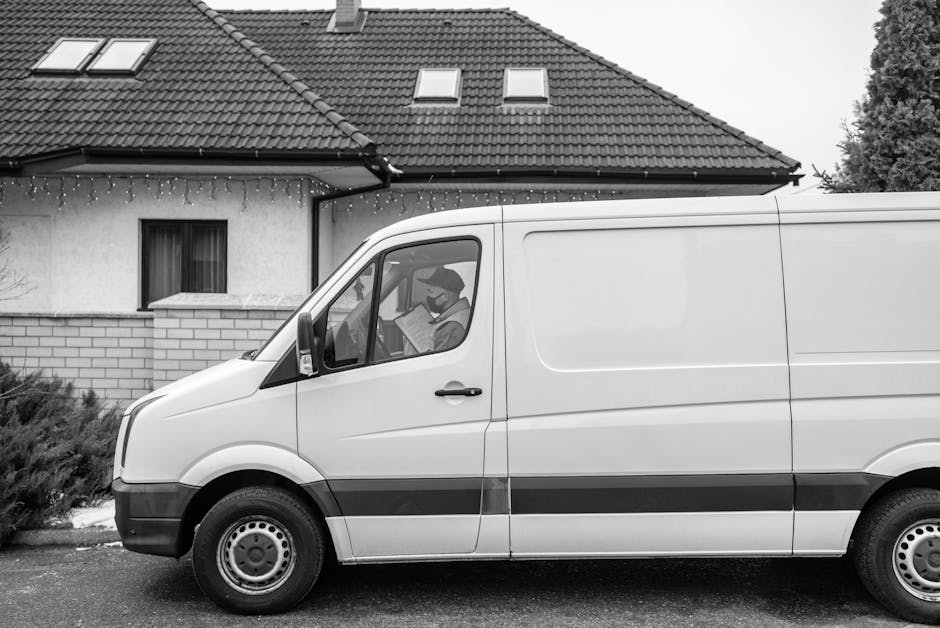
Gipsy Hill man and van tips for tight driveways and lifts
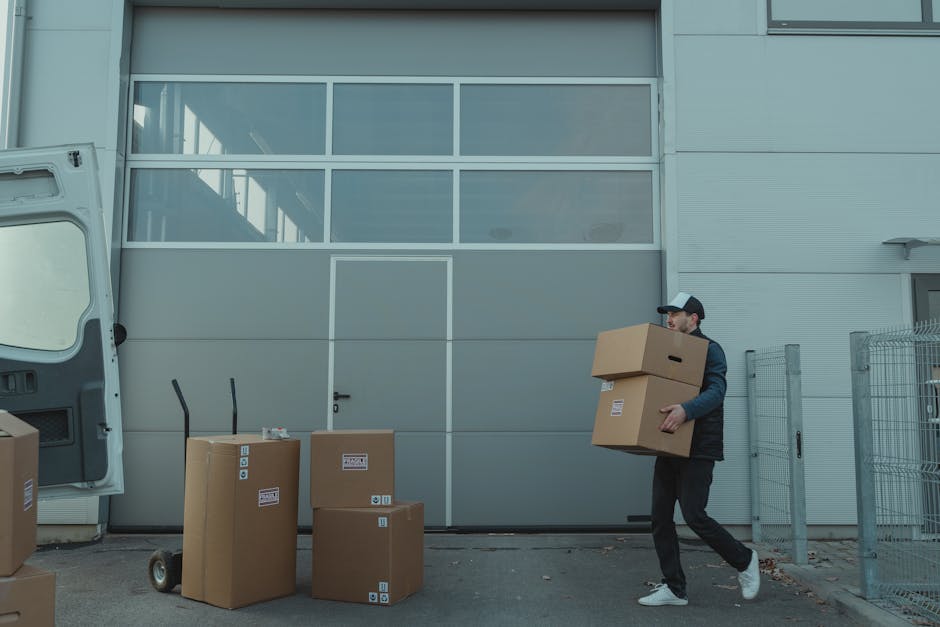
If you are moving in Gipsy Hill, chances are the hardest part is not the boxes. It is the access. Tight driveways, narrow turning space, awkward front steps, a lift that is barely big enough for a kettle... that is where a smooth move can suddenly feel a bit chaotic. The good news is that with the right planning, a Gipsy Hill man and van move can still be calm, efficient, and far less stressful than you might expect.
This guide pulls together the practical bits people usually wish they had thought about earlier: how to judge driveway access, what to do when a lift is involved, how to pack so items actually fit through the gap, and how to keep everyone safe while the day is moving along. It is written for real homes, real streets, and real moving-day awkwardness. Let's face it, London properties do not always make things easy.
Whether you are moving from a flat, a maisonette, a house with a steep approach, or a place where the van has to park a bit further down the road, these tips should help you avoid delays and reduce damage. If you are still comparing options, pages like man and van services, flat removals, and home moves can also help you understand which type of move fits your situation best.
Why Gipsy Hill man and van tips for tight driveways and lifts matters
In a straightforward move, a van pulls up, the team loads, and everyone gets on with it. In Gipsy Hill, though, access can be the thing that decides whether the day feels orderly or mildly ridiculous. A driveway may be too short for a larger vehicle, a slope may make loading trickier, and the lift in a block of flats may be narrow, slow, or shared with neighbours who also need to get through. Small access problems have a habit of becoming big time problems.
That matters because time is not the only thing at stake. Tight access increases the risk of scuffed walls, strained backs, dropped furniture, and damage to door frames or lift interiors. It can also affect the vehicle choice, the number of crew members needed, and how long the move will realistically take. That is why a local, access-aware approach is worth more than a generic moving plan.
There is also a confidence factor. When you have thought through the tricky bits in advance, the move tends to feel less rushed. You know where the van can stop, which items should leave first, and whether the lift can be used for the sofa or only the smaller boxes. That calm makes a difference. You can hear the difference too: less shouting, fewer back-and-forth trips, and a lot less of that anxious door-open, door-close rhythm that happens when people are guessing on the spot.
For many people, the problem starts before moving day. They assume the space will be fine because it looked manageable on a quick visit. Then the actual van arrives and suddenly the turning circle feels tighter than expected. A few extra minutes of planning usually avoids that. A few extra minutes. That is all. But it changes the whole tone of the job.
How Gipsy Hill man and van tips for tight driveways and lifts works
The basic idea is simple: match the move plan to the access conditions, not the other way around. That means looking at the property, the vehicle, the load order, and the route between the van and the front door. If one of those elements is awkward, you do not ignore it. You plan around it.
Here is the practical flow. First, work out whether the van can safely get close enough to the property to reduce carrying distance. If the driveway is narrow, consider whether a smaller vehicle or partial street parking is more realistic. Second, check lift size and opening width. Third, identify the heaviest or most awkward items and decide whether they should go by stairs, lift, or a mixed approach. Fourth, protect the route inside the building so repeated trips do not create damage.
The best moves are usually the ones where the loading order is decided before the van doors open. You want the items that are easiest to place near the rear door to be loaded in a way that makes sense for the arrival point too. For example, if a large wardrobe must come out first on the other side because the lift is small, it should not be buried behind six lighter boxes. That sounds obvious, but on a busy move it is exactly the sort of detail that gets missed.
In a property with a lift, the job becomes a little more like choreography. Someone needs to hold the lift, another person guides items in and out, and the team should avoid forcing anything that clearly does not fit. A lift is a tool, not a puzzle to be won by brute strength. If it is too small for a piece of furniture, the safer choice is stairs or dismantling the item before the move. A bit annoying? Sure. But far better than jamming a chest of drawers halfway and spending ten minutes untangling the situation while everybody stands there pretending this was part of the plan.
Key benefits and practical advantages
When you plan properly for tight driveways and lifts, the advantages show up in very practical ways.
- Less damage to walls, banisters, lift panels, floors, and furniture.
- Faster loading and unloading because there is less hesitation and less repositioning.
- Lower physical strain for everyone involved, especially with heavier household items.
- Better vehicle choice so the van size matches the actual access, not just the inventory.
- Fewer surprises when the team arrives and the property is not as open as it looked online or on a quick visit.
- Cleaner communication between the customer and the moving team, which usually means fewer misunderstandings.
There is also a financial advantage, even if it is not always obvious at first. The less time the crew spends solving access problems, the more efficient the move tends to be. That does not mean every move becomes cheaper, of course. But it does mean fewer avoidable complications. And avoidable complications are where budgets quietly drift.
Another benefit is peace of mind. If the lift is booked or if the driveway only fits one vehicle at a time, knowing that the plan already accounts for those limits gives you a better day. You can focus on the new place, the keys, the utility checks, the small stuff nobody wants to remember until the kettle is already packed.
Who this is for and when it makes sense
This advice is especially useful if you are moving from or into a flat, a terrace with a narrow front approach, a converted building, or a home where parking is not right outside the entrance. It is also helpful for people moving around shared blocks with one main lift, because lift access can slow things down more than expected.
It makes sense for:
- tenants moving in or out of flats
- homeowners with compact forecourts or steep driveways
- students carrying furniture into upper floors
- small businesses moving equipment into serviced offices or mixed-use buildings
- anyone with bulky items such as wardrobes, sofas, mattresses, or white goods
It is also relevant if you are trying to combine a move with other services such as packing and boxes, packing and unpacking services, or even temporary storage while you work out what fits where. Sometimes the smartest move is not trying to move everything in one exact formation. Sometimes it is splitting the job in a sensible way.
If the access is especially tight, this approach is also sensible for people booking a more flexible service such as a man with van or comparing different removal services. Different jobs need different levels of support, and access is a big part of that decision.
Step-by-step guidance
1. Measure the access properly
Do not rely on memory or a quick glance from the pavement. Measure the driveway width, gate opening, doorway clearance, and lift size if possible. If you have a tape measure, great. If not, even rough but honest measurements are better than assumptions. Photograph the route too. A photo of the gate, the lift door, the hallway turn, and the parking spot can help a moving team plan more accurately.
2. Identify the weak points
Ask yourself: where will the furniture snag? Is the first bend inside the building awkward? Does the driveway slope down sharply? Does the lift open onto a narrow landing? The weak point is usually obvious once you slow down and look at the route piece by piece. That is the route your items have to travel, not just the postcode.
3. Decide what must be dismantled
Some furniture is far easier to move in parts. Bed frames, table legs, shelving, and some wardrobes can often be broken down safely before moving day. Keep screws and fittings in labelled bags and tape them to the relevant item, not loosely in a random box that vanishes under a pile of towels. You will thank yourself later. Honestly, everyone does.
4. Plan the order of loading
Start with the items that are heaviest or hardest to manoeuvre, but only if the access route supports that. If the lift is tiny, make sure smaller items do not block the large ones. If the driveway is steep, load in a sequence that keeps the biggest pieces stable and accessible. This is where a good moving team earns its keep.
5. Protect the route
Use floor protection, blankets, and corner guards where appropriate. If you are moving through a lift, be especially careful with sharp edges and heavy corners. A lift interior can take a surprising amount of wear from repeated trips, so a little protection goes a long way.
6. Keep communication simple
One person should call the shots on the day. Too many instructions from too many people can make a tight-access move messy fast. Say clearly what needs to go first, what cannot be tilted, and which items are fragile. Short instructions work best: "wardrobe first," "careful with the mirror," "lift only for the boxes."
7. Build in a time buffer
Tight access almost always takes longer than open access, and that is normal. Leave a bit of breathing space so nobody feels rushed. A move with a small delay is still a successful move. A move where everyone is sprinting up a staircase with a coffee table? That is the sort of scene nobody wants.
Expert tips for better results
There are a few small things that make a big difference.
- Choose the right vehicle size. Bigger is not always better. In a tight street or narrow driveway, a slightly smaller van can save time and stress.
- Move the smallest items first if space is constrained. This is especially useful when the lift is being shared with neighbours or is just too small for the largest furniture.
- Use mattress covers and furniture blankets. Tight corners and lift doors love to catch soft fabric and unprotected edges.
- Keep hallways clear before the crew arrives. A single box left in a doorway can slow the whole rhythm of the move.
- Reserve the lift if building rules allow it. A lift that is shared with residents can become a bottleneck very quickly.
- Use the morning if possible. Streets are often calmer earlier in the day, and the light is better for checking access and spotting obstacles.
In our experience, the most helpful tip is this: treat access like part of the inventory. People count boxes and sofas, but they forget to count stairs, turns, and lift size. Those things are part of the move, and sometimes they matter more than the item count itself.
If you are moving a fragile or awkward item, such as a piano or oversized cabinet, it is worth exploring whether a specialist service is needed. A page like piano removals exists for a reason. Some objects are simply not made for guesswork.
Common mistakes to avoid
Most tight-access problems are not dramatic. They are small mistakes that add up. The good thing is they are very avoidable once you know what to look for.
- Assuming the van can park right outside. That sounds ideal, but it is not always realistic in Gipsy Hill streets.
- Forgetting to check lift dimensions. The lift may be there, but that does not mean it is useful for larger items.
- Leaving bulky furniture assembled. A wardrobe that would move easily in sections can become a nightmare if left intact.
- Not warning the movers about access issues in advance. Last-minute surprises tend to cost time.
- Ignoring building rules. Some blocks have moving restrictions, lift booking procedures, or protected flooring requirements.
- Overpacking boxes. Heavy boxes are harder to carry through narrow spaces and more likely to split at the worst possible moment.
One of the sneakiest mistakes is trying to be too helpful by carrying too much at once. It feels efficient in the moment, but it usually leads to slower movement through tight spaces. A lighter load, moved steadily, is often faster. Funny how that works.
Tools, resources and recommendations
You do not need a truck full of specialist gear, but a few practical tools help a lot.
| Tool or item | Why it helps | Best use |
|---|---|---|
| Measuring tape | Checks driveway, lift, and doorway clearance | Before move day |
| Furniture blankets | Protects walls, corners, and surfaces | During loading and unloading |
| Ratchet straps | Keeps items stable inside the van | Transit and tight stacking |
| Labelled bags for fittings | Keeps dismantled parts organised | Furniture disassembly |
| Floor protection | Reduces damage in narrow hallways and lifts | Shared entrances and flats |
| Phone photos | Helps explain access issues clearly | Quote stage and planning |
For customers comparing the full moving picture, it can also help to look at related pages such as removal van, removal truck hire, or removals to see which service level feels right. If you only need a small team and one vehicle, you may not need anything more elaborate. If the job is larger or the access is especially awkward, that is a different story.
A simple notepad can be useful too. Write down the largest item, the most awkward item, lift dimensions if known, and any parking restrictions. A lot of small moving decisions get easier once they are written down. That old-fashioned trick still works.
Law, compliance, standards, or best practice
For a move like this, the main compliance issues are usually practical rather than highly technical. In the UK, moving teams are expected to work safely, protect property where reasonable, and handle loads in a way that avoids unnecessary risk. That means sensible lifting, clear routes, safe vehicle positioning, and basic care around shared spaces.
In blocks of flats, building rules may matter as much as transport rules. Some properties require lift booking, some ask movers to use protective coverings, and some restrict moving during certain hours. Local parking and loading restrictions can also affect where the van can stop. It is worth checking these details in advance rather than assuming a quick stop outside the door will be fine.
From a best-practice point of view, the most important things are communication, preparation, and realistic expectations. If the access is tight, say so early. If the lift is small, say so clearly. If the driveway is more of a "maybe" than a "yes," be honest. Good moving practice starts with accurate information. That is one reason service pages such as insurance and safety, health and safety policy, and terms and conditions matter to review before booking any move.
There is nothing glamorous about this part of the job, of course. But it is what keeps the day orderly. And orderly is good.
Options, methods, or comparison table
When dealing with tight driveways and lifts, you usually have a few practical options. The best one depends on the layout, the item size, and how much time you have.
| Method | Best for | Pros | Watch out for |
|---|---|---|---|
| Smaller van with close parking | Narrow driveways and short urban access | Less walking distance, easier turning | May require more trips if the load is large |
| Lift-based move | Flats and blocks with usable lift space | Reduces stair carrying, faster for boxes | Limited by lift size and booking rules |
| Stair carry | Very small lifts or no lift at all | Works where lifts do not | Slower and more physically demanding |
| Disassembly and reassembly | Bulky furniture through awkward access | Improves fit through tight spaces | Needs organisation for fittings and parts |
| Split load with storage | Staged moves or temporary downsizing | Useful when space is not ready | Requires extra planning and handling |
There is no single winner here. A lot depends on the building and the items. A sofa might sail through a lift while a table base does not. A wardrobe might need dismantling, but a stack of boxes may be easier by stairs. A sensible move plan usually mixes methods instead of relying on one.
Case study or real-world example
Picture a typical move from a first-floor flat in Gipsy Hill. The driveway is short, the street is a bit busy, and the lift in the building is usable but narrow. The customer has a bed frame, a medium wardrobe, three boxes of books, kitchen items, and a sofa that looked much smaller in the lounge than it does in the hallway. Classic.
The first step is not to force the van into the driveway and hope for the best. Instead, the team parks where it is safe and legal, keeps the route clear, and checks whether the lift can take the largest items. The bed frame is dismantled, the wardrobe doors are secured, and the smaller boxes are grouped for quick lift trips. The sofa is measured against the lift opening and turned carefully, but only after the route is checked first.
What usually makes this kind of move work is not speed. It is sequence. Boxes go first while the lift is protected and the doorway is still clean. Furniture follows in the right order. One person keeps an eye on the lift and landing, another controls the van loading, and nobody improvises with the heavy stuff. It may not be glamorous, but it works.
By the time the last item comes out, the move feels almost quiet. No panic, no scratched walls, no last-minute disassembly drama. Just the soft thud of a final box being set down in the new place and a slightly relieved laugh from everyone involved. That is the kind of move people remember for the right reasons.
Practical checklist
Use this before moving day if you want fewer surprises.
- Measure driveway width and note any steep slope or turn
- Check where the van can legally and safely stop
- Measure lift dimensions and door opening if there is a lift
- Identify furniture that should be dismantled
- Pack heavy items into smaller boxes where possible
- Label fragile items clearly
- Protect floors, corners, and lift interiors
- Clear hallways, doorways, and stair landings
- Tell the moving team about any access limitations early
- Allow extra time for narrow routes and shared lifts
- Keep keys, fobs, and building access details easy to reach
- Confirm whether storage, packing support, or same-day help may be useful
If your move is time-sensitive, it may also be worth looking at same day removals. If it is a student move with smaller items and less furniture, student removals may be the better fit. If you are dealing with office furniture or equipment, office removals or commercial moves may be more relevant.
Little things help. A roll of tape, a label on the right box, a clear note about the lift booking. It all adds up.
Conclusion
Moving in Gipsy Hill does not have to be complicated, but tight driveways and small lifts do require proper thought. The best results usually come from honest access checks, sensible packing, careful loading order, and a moving plan that fits the property rather than fighting it. That is really the heart of it.
If you prepare for the awkward bits early, the rest of the move becomes much more manageable. You spend less time worrying, less time improvising, and less time trying to squeeze one more item through a space that was clearly not designed for it. In the end, that is what a good man and van move should feel like: practical, steady, and under control.
If you are ready to plan your move with proper access in mind, speak to a local team that understands the reality of tight London streets and apartment lifts. Get a free quote today and see how much you can save.
There is no prize for making moving day harder than it needs to be. A calmer move is still a proper achievement, and sometimes that is enough.
Frequently Asked Questions
Can a man and van handle a very tight driveway in Gipsy Hill?
Yes, often it can, but the van size and parking approach matter a lot. If the driveway is narrow or the turning space is limited, a smaller vehicle or parking nearby may be safer than forcing the issue. A quick photo and a couple of measurements help more than most people expect.
What if the lift is too small for my sofa or wardrobe?
Then the item may need to be dismantled, moved by stairs, or handled in a different way. Do not try to force a bulky item into a lift that clearly is not the right fit. That is usually where damage happens, and nobody enjoys that conversation.
Should I measure the lift before moving day?
Yes, if you can. Lift width, door opening, and internal depth all help the mover judge whether large furniture will fit. Even rough measurements are useful. A photo with a tape measure in frame is even better.
Is it better to book a smaller van for tight access?
Often, yes. A smaller van can be easier to position on a narrow street or in a short driveway. The trade-off is that it may require more trips, so the best option depends on the volume of items and how awkward the access really is.
How do I protect walls and lift interiors during the move?
Use furniture blankets, corner protection, and floor coverings where needed. It also helps to move one item at a time through tight spaces instead of trying to rush with multiple people carrying different things at once.
What items should I dismantle before moving?
Usually, anything bulky but reasonably simple to take apart, such as bed frames, some wardrobes, shelving, and table legs. Keep fittings together in labelled bags. If you are unsure whether something should be dismantled, ask before moving day rather than guessing.
Can a move through a lift be quicker than using stairs?
Usually yes, provided the lift is the right size and available when you need it. But if the lift is tiny, shared, or slow, stairs may actually be more practical for smaller items. There is no one-size-fits-all answer here.
What is the biggest mistake people make with tight driveway moves?
Assuming the van can park right at the door. That one assumption causes a lot of trouble. Once you accept that the parking point may be further away, you can plan the loading, route, and timing more realistically.
Do I need to tell the removal team about access problems in advance?
Absolutely. The more they know before they arrive, the better they can prepare the right vehicle, gear, and approach. Last-minute surprises are stressful and can slow the whole job down.
What should I do if my building has lift booking rules?
Check them early and make the booking if required. Some buildings prefer certain time windows or ask for protective coverings. It is one of those small admin tasks that pays off nicely later.
Is storage useful if access is awkward and the move is being done in stages?
Yes, storage can be very helpful if not everything is ready at once or if you need to split the move into manageable parts. It gives you room to breathe, which is sometimes exactly what a tricky move needs.
How can I make sure the day stays calm?
Keep the route clear, label boxes well, measure the awkward spaces, and allow a bit more time than you think you need. Calm moves are rarely accidental. They usually come from simple preparation done properly.